Wood
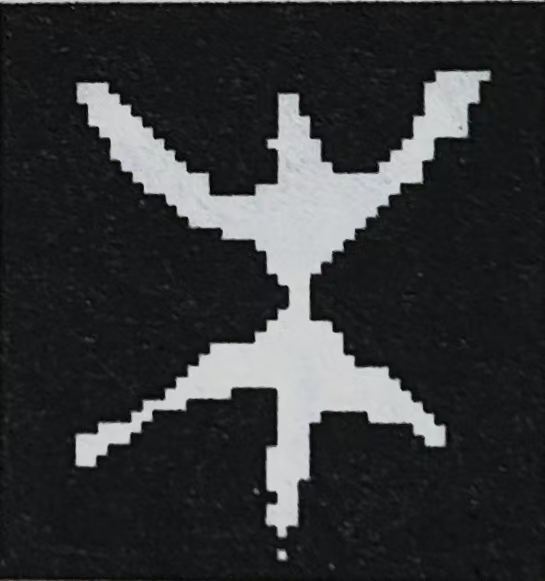
The upper azure form is derived from the bronze-script character for Wood, emphasizing growth, structure, and the historical timber imagery of Mudu.
Logo Meaning
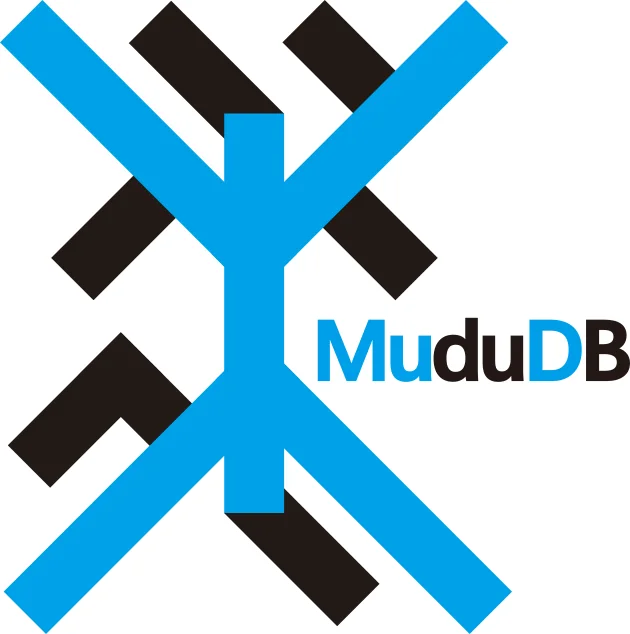
MuduDB takes its name from Mudu Town in Suzhou, and its logo brings together the historic images of wood and water.
MuduDB
Logo Design
The logo artistically combines ancient bronze-script forms of Wood and Water. Wood sits above Water, echoing the historical phrase behind the name. The black lower form represents Water in Wu Xing theory, while the azure upper form represents Wood.
Bronze-Script References
The upper azure form is derived from the bronze-script character for Wood, emphasizing growth, structure, and the historical timber imagery of Mudu.
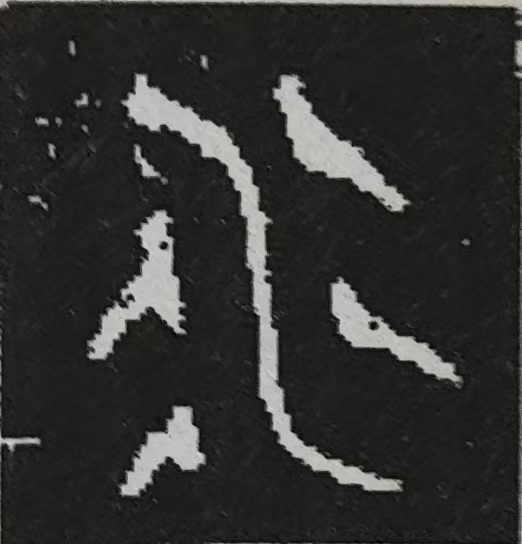
The lower black form is derived from the bronze-script character for Water, representing waterways, flow, and the channel blocked by accumulated timber.
Origin of the Name
The name MuduDB originates from Mudu Town in Wuzhong District, Suzhou, Jiangsu. In the late Spring and Autumn period, timber sent from Yue to Wu accumulated near Lingyan Mountain and clogged the waterways. Historical accounts described the scene as accumulated logs blocking the channels, giving rise to the name Mudu: wood-clogged waterway.
Mudu Town
A historic town in Suzhou, Jiangsu, China.
Wood and Water
The name carries the image of timber gathered in waterways.
Database Identity
MuduDB uses this image to express locality, flow, and durable infrastructure.
Historical Sources
"Yue then sent skilled craftsmen to gather fine timber and deliver it to Wu for palace construction, so as to exhaust Wu's wealth. The King of Wu built great palaces and also constructed the Gusu Terrace. Timber was gathered for three years, and the work was completed after five years. Accumulated timber clogged the waterways; in the great river, the logs were beyond counting."
"Mudu was originally an old waterway of the King of Wu. In former times, the King of Wu cut timber to build palaces. When the timber reached this water, accumulated logs clogged the waterway, and therefore it was named so."
The composition encodes the origin of Mudu and turns a place name into a compact technical symbol.
The colors reference the traditional Five Elements: azure for Wood and black for Water.
The mark suggests data flow, execution locality, and a foundation that carries applications close to data. It also evokes letting data fill the hardware, a metaphor for fully utilizing hardware resources.